
The Hidden Work of Expanded Learning Leaders
Expanded learning is not just filling the hours outside the regular school day, it is quietly changing lives. This is often while someone is answering three emails, rewriting a schedule, and solving a transportation issue at the same time.
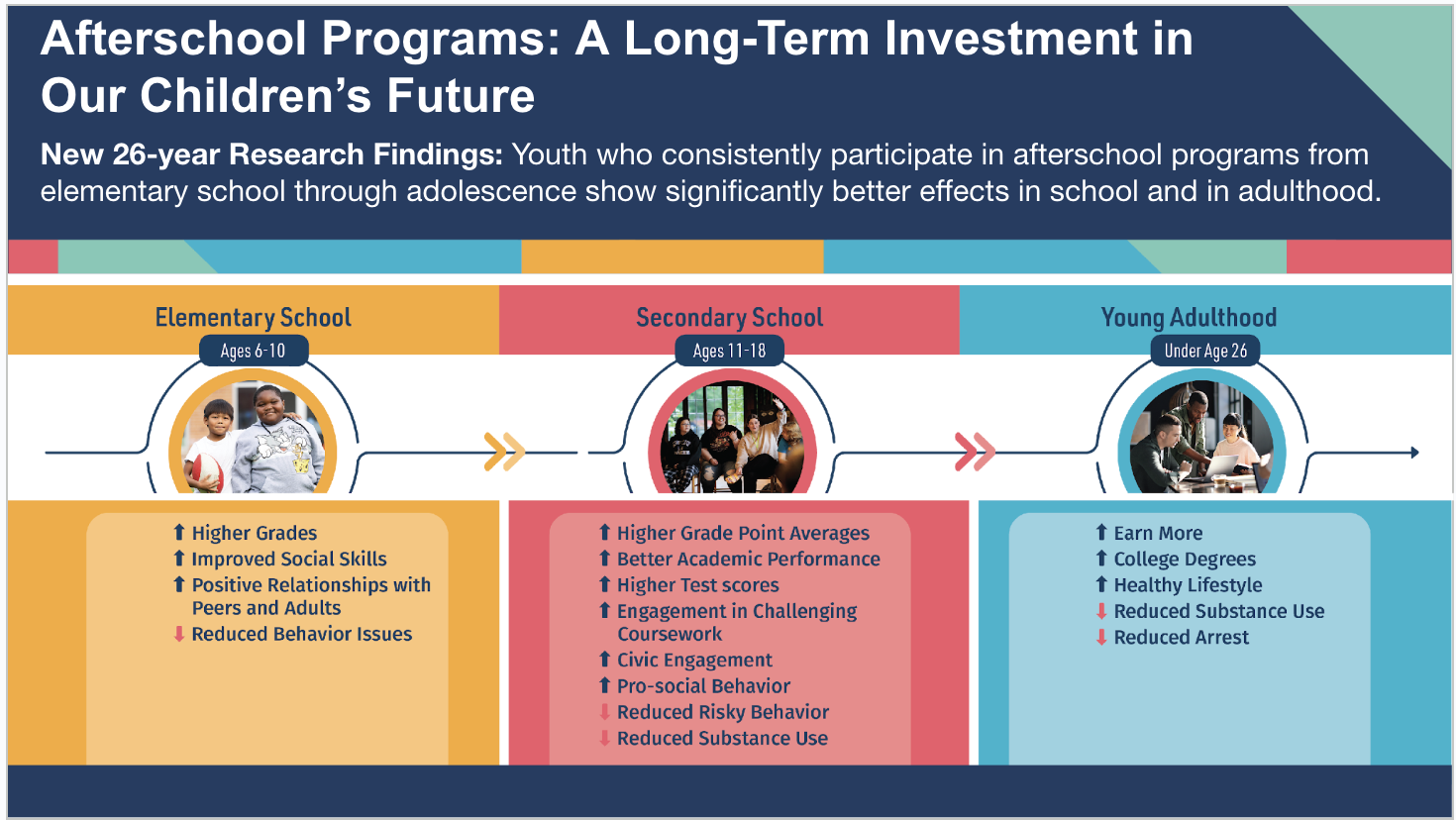
A 26 year longitudinal study from the Charles Stewart Mott Foundation confirms what expanded learning leaders already know in their bones. Students who participate in high quality early care and afterschool programs show better attendance, stronger academic outcomes, higher graduation rates, and long term success that stretches well into adulthood. These benefits do not fade. They build. They show up years later in ways that really matter.

Expanded learning programs are opening doors, creating stability, and changing futures. In short, this work sticks.
The Leaders Behind the Outcomes
Research can tell us what works. It rarely captures who makes it work.
Expanded learning leaders are the behind-the-scenes strategists, problem solvers, and relationship builders who keep programs running. They coordinate community partners, manage compliance and reporting, juggle staffing and facilities, support families, and solve logistical puzzles that all seem urgent at once. They are constantly reviewing, adjusting, and pivoting to keep programs equitable, engaging, and responsive to students’ real lives.
They build spaces where students feel safe, seen, and excited to show up. And they do it while managing calendars, chasing permissions, and asking themselves for the fifth time that day, “Did I already send that email?” Expanded learning leaders are responsible for before and after school programs in addition to 30 non-school day programs at 9 hours each. Essentially, they are creating a school outside of the school without the resources of the regular school day.
Much of this work happens quietly. But it is exactly this invisible labor that drives the stability and engagement highlighted in the Mott study. Strong programs don’t happen by chance; they are the result of deep care and ongoing dedication.
Real Leaders in Action
If you are wondering whether expanded learning leaders are truly doing all of this, the answer is yes, and then some.
Erie Robertson, Expanded Learning Director at Lancaster School District, shared what building expanded learning programs looks like in real life, not just on paper:
“It is a commitment to meeting students where they are and removing barriers to participation.”
That commitment shows up in very tangible ways:
- Providing free transportation from hub schools to weekend enrichment programs so that lack of transportation does not become lack of access
- Offering modified meals and on-site medical support to meet a wide range of student health and dietary needs
- Ensuring students with exceptionalities receive individualized support in both instructional and recreational settings
- Designing enrichment opportunities based on student voice and interests so students see themselves in the programs.
This is expanded learning leadership in action. Thoughtful, proactive, and deeply human.
A Historic Moment for Expanded Learning
All of this work is happening at a moment that feels both exciting and slightly overwhelming.
With nearly five billion dollars invested annually through California’s Expanded Learning Opportunities Program, districts are being asked to do more than run before and after school programs. They are being asked to expand opportunity, close access gaps, and turn funding into high quality, meaningful experiences for students, especially those who rely most on out of school time.
That is a big ask. How ELO-P funds are implemented, braided, staffed, and sustained will determine whether this historic investment delivers on its promise. For expanded learning leaders, this moment brings opportunity, pressure, and more than a few group texts with colleagues that begin with, “Quick question…”
The Power in Connecting
Which is exactly why connection matters.
Expanded learning leaders thrive when they have space to pause, reflect, share what is working, and revisit what is not. Peer conversations spark ideas, surface solutions, and remind leaders they are not navigating this alone. Strong networks lead to stronger programs and better outcomes for students.
Creating Space for Leaders to Connect
That is why 6crickets is sponsoring regional networking lunches for expanded learning leaders.
The goal is simple: to strengthen and support the expanded learning ecosystem by building a true community of leaders who understand the effort this work requires. We want to create welcoming spaces filled with good food, meaningful conversation, and shared problem solving, so programs can continue to grow stronger and ELO-P funding can be used with intention and impact.
We will cover the cost of lunch and provide everything needed to make hosting easy, including a slide deck, email templates, and outreach support. You can be as hands on or hands off as you would like. All we need from you is a time and place.
Because when leaders are supported, programs grow stronger, students feel the difference, and the impact lasts long after the bell rings.
Contact
Interested in hosting an Expanded Learning Leaders Networking Lunch in your area? Let’s talk!
 shauna@6crickets.com | [Schedule a conversation]
Yours in Education,
6crickets Team


Trackbacks and Pingbacks