Charter Leadership in Action
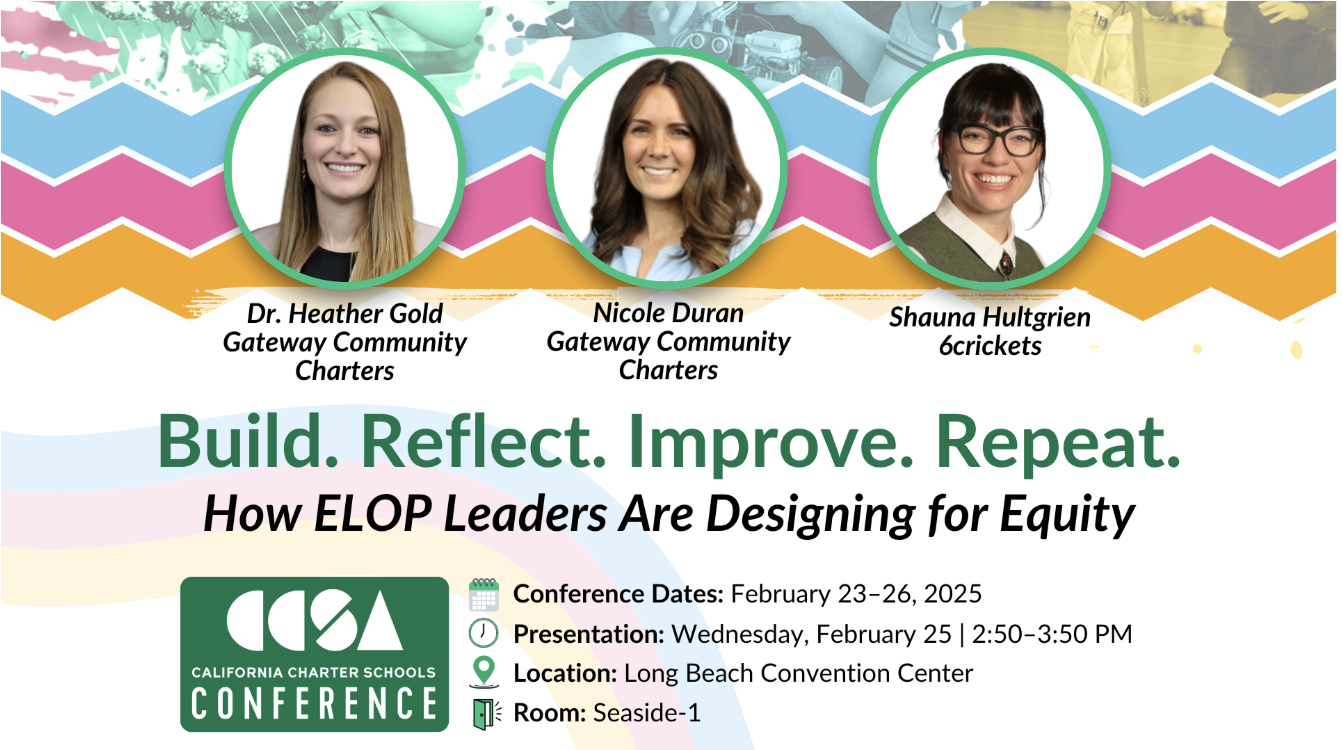
During the last week of February, I had the privilege of being a first-time attendee and presenting at the California Charter Schools Conference in Long Beach. I left energized, inspired, and even more convinced that charter leaders are unique, complex, and wonderfully positioned to serve our students both during and outside the regular school day.
In our breakout session, “Build. Reflect. Improve. Repeat. How ELOP Leaders are Designing for Equity,” I moderated a conversation with Dr. Heather Gold (Chief Learning Officer) and Nicole Duran (Academic Program Coordinator) of Gateway Community Charters. What became clear throughout our discussion was that strong charter expanded learning programs are not built on good intentions alone. They are built on intentional design, dedicated innovation, and strong systems.
ELOP Is a Start-Up
I don’t think that people understood the logistical undertaking that came with ELOP. In many ways, ELOP is like a start-up. It is an unprecedented investment at an unprecedented scale.
We are now providing students with opportunities that go far beyond after school care. It is exposure. It is access. It is more than a snack after school and an adult in the room. Most importantly, this isn’t a product that people are buying. These are students whose lives we are changing and serving.
Start-ups move fast. They test. They iterate. They improve. Charter expanded learning programs must do the same. But iteration requires visibility.
Equity Requires Information
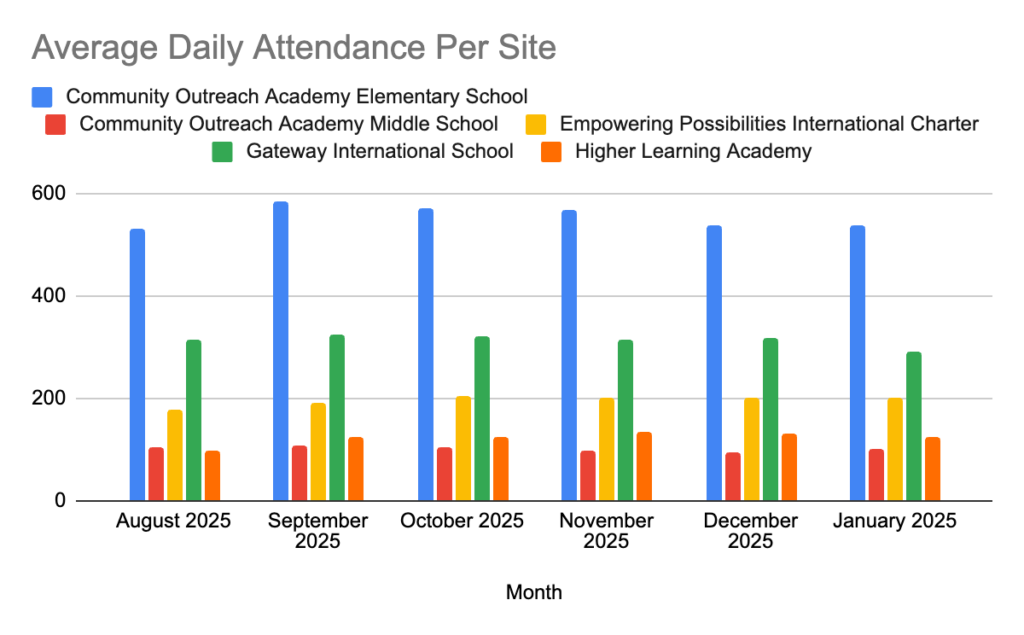
At Gateway Community Charters, equity is not aspirational. It is operational. They are building systems while simultaneously serving students, and a lot of them (70% of the total population!).
Dr. Gold shared, “We have a high English Language Learner population and low socioeconomic status… we do really believe that these before and after school programs provide exposure that these kids otherwise would not have access to.”
Students shape their own experiences. “Our sites give student surveys multiple times a year and use that data to determine which enrichment opportunities to provide,” Dr. Gold explained. “We really do allow our students to create a lot of their experiences themselves.”
Nicole added, “We pride ourselves on being really innovative and we want to encourage our program managers to do that.” As Dr. Gold put it, “We don’t say ‘no’ too often… we want our students to have enriching experiences.”
That level of innovation and responsiveness depends on clarity. Equity requires knowing who is participating, who is not, what is working, and what needs to change.
The Reality of Manual Systems
When Dr. Gold took over the out-of-school-time program, Gateway was “in year 2 of an audit finding… it wasn’t that we were doing anything wrong programmatically, it was that we were doing things manually.”
She shared candidly, “We’re human, when you’re hand counting attendance… it’s inevitable that you’re going to make an error.” With paper systems, “one of them would get misplaced.” Again, “It wasn’t that we were doing anything unethical, it was just human error… and a lot of hours go into managing that.”
This is the tension many charter leaders face: high autonomy, high expectations, and limited margin for error. Manual systems not only create compliance risk, they also drain time and resources while limiting real-time insight.
You Cannot Go Off Perception
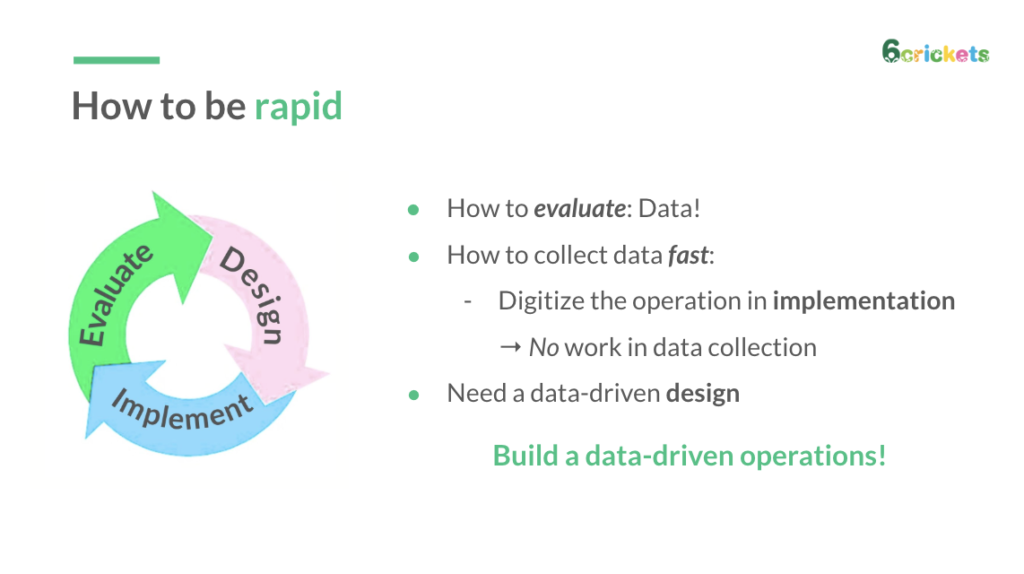
If expanded learning is going to function like the start-up it is, leaders cannot go off perception alone to measure a program’s success. Data must be digitized.
When systems are digitized, you can evaluate them immediately. You can identify participation gaps, monitor engagement trends, and make quick changes.
If programs are still relying on Google Forms, paper registration, or spreadsheets, it becomes extremely difficult to access data quickly enough to iterate effectively: innovation slows, decision making lags, and equity becomes harder to measure.
Digitized systems are not about compliance for compliance’s sake, they are about capacity. They create space for leaders to spend less time counting and more time creating. As Dr. Gold reflected, moving to a platform helps streamline innovation because operations that once took program managers significant time to manage now give them more time to innovate and focus on learning outcomes.
Autonomy With Unity
Charter schools thrive on autonomy, and Gateway reflects that strength. Dr. Gold shared, “All of our school sites have a lot of autonomy, we don’t do a lot of top down directives.”
At the same time, alignment matters. Nicole explained, “Each month we meet with our program managers and focus on our CQI standards,” and “We used data to collectively choose our CQI goals.”
That combination of site-level flexibility and shared data makes equity achievable across campuses. As Nicole shared, “We make sure every student within our charter, no matter where they are going, have the same opportunities.”
Autonomy works best when it is supported by accessible, reliable information.
Build. Reflect. Improve. Repeat.
If this conference reinforced anything for me, it is this: charter expanded learning programs are doing transformative work, but transformation at scale requires infrastructure.
Paper attendance sheets may feel familiar but they are not a strategy.
When we digitize our data, we are not simply modernizing operations. We are strengthening equity, accelerating innovation, and ultimately improving student outcomes.
Continue the Conversation
Interested in exploring how 6crickets can digitize data in your Expanded Learning programs? Schedule a conversation!
 info@6crickets.com | [Schedule a conversation]
Yours in Education,
6crickets Team