Expanded Learning Is Still Being Built and That Is Okay
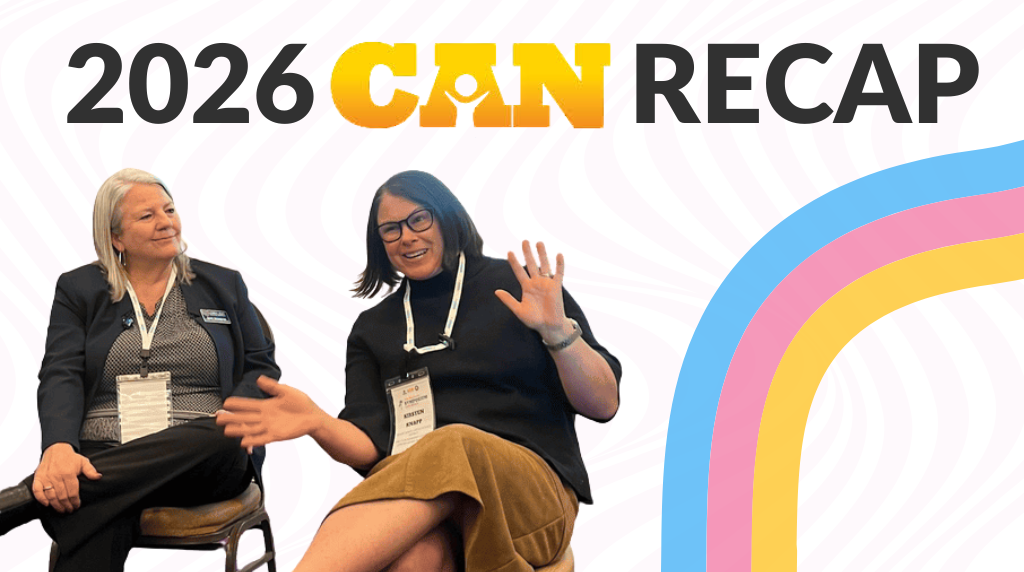
At the 2026 California Afterschool Network’s Site Coordinator’s Symposium in Long Beach, CA, one theme came through clearly: expanded learning leaders are doing the hard, courageous work of building something that did not fully exist before. This is not about maintaining the status quo. It is about creating systems, opportunities, and experiences that students genuinely want and families truly need.
At the presentation on “Design, Implement, Evaluate, Repeat: ELO-P with a Startup Mindset”, Dr. Helen Wang, founder of 6crickets, likens building ELO-P to building a startup, for which a critical concept is Minimal Viable Product. A minimum viable product (MVP) is the simplest version of a product that delivers core value to users and allows you to quickly test assumptions and gather feedback.“The worst thing is not to get started. The first version may not be perfect, but let’s get started. Let’s keep iterating. Keep making it better.”
That mindset shaped the entire conversation. Across districts large and small, leaders spoke honestly about what it takes to launch, refine, and strengthen programs over time. The message was not perfection. It was progress.
From Zero to Something Meaningful
I don’t think that people understood the logistical undertaking that came with ELOP. In many ways, ELOP is like a start-up. It is an unprecedented investment at an unprecedented scale.

Mary Brimmage, Expanded Learning Program Coordinator of Lowell Joint School District, put it plainly: “Since 1906, the beginning of our district, Lowell has been a district that never had… after school programs.” What began as a major lift has grown into a much more robust, student-centered offering. In her words, “we are not the same program. We do not look the same at all. It’s consistently something that we are doing… evaluating and adjusting.”
That spirit of continuous improvement matters. Programs do not become strong because they launch perfectly. They become strong because leaders are willing to reflect, gather feedback, and improve as they go.
Student Voice Is the Real Driver
One of the strongest through-lines in the session was that high-quality expanded learning should be shaped by students, not just by logistics or adult assumptions.
Mary shared that Lowell’s classes are “driven by the student and parent interest,” with “a lot of surveys” and ongoing conversations helping shape the program. Kirsten Knapp of Desert Sands USD echoed that same philosophy: “What do the kids want, not what the teachers are good at?”
That distinction is powerful. Expanded learning works best when it complements the school day rather than replicates it. When students are given meaningful choices, participation becomes something more than compliance. It becomes engagement.
As Helen noted, districts can and should use data to measure whether students truly have options. That kind of visibility helps leaders move beyond good intentions and toward programs that are interest-driven, choice-driven, and responsive.
Autonomy, Ownership, and a Shared Vision
Another key insight from the panel was that strong programs require both local flexibility and clear districtwide expectations.

At Desert Sands USD, Kirsten described a model that gives school sites real ownership while maintaining oversight and accountability. “We’re shifting ownership,” she said. Site leaders are expected to survey families, build balanced programming, and align offerings with student needs. At the same time, district leadership keeps a close eye on quality, equity, and implementation.
That balance matters. Expanded learning is not one-size-fits-all. Communities differ. Campuses differ. Student interests differ. But the commitment to access, quality, and continuous improvement must remain consistent.
Data Should Support Improvement, Not Just Compliance
The conversation also reinforced something expanded learning leaders know well: compliance matters, but it cannot be the only reason to collect data.
As programs grow, manual systems quickly become overwhelming. Mary reflected on Lowell’s early days: “Our first year we used Google form,” and later added, “we wouldn’t have been able to grow” without stronger systems in place.
Kirsten made a similar point from a district scale perspective, emphasizing how important it is to have clean, accessible data for attendance, registration, planning, and reporting. But beyond reporting requirements, what stood out most was this: leaders are using data to make better decisions. They are identifying what students want, where demand is strongest, what needs to change, and how to build more equitable access.
That is what continuous quality improvement looks like in practice.
The Big Takeaway

The CAN session was a strong reminder that expanded learning leaders are not just running programs. They are building ecosystems. They are solving for staffing, space, quality, equity, family engagement, and student joy, often all at once.
And they are doing it with humility, creativity, and persistence.
As Mary said, “We really do want that feedback, because it does need to change.” That willingness to listen, adapt, and keep going is exactly what is helping expanded learning grow stronger across California.
Contact
Interested in exploring how 6crickets can support continuous improvement, student choice, and scalable expanded learning operations? Schedule a conversation!
 info@6crickets.com | [Schedule a conversation]
Yours in Education,
6crickets Team