A summer camp catalog can show a world of possibilities, but it cannot tell the whole story of who gets to experience them. That gap between offering a program and making it work for students surfaced throughout a session at the Council of the Great City Schools (CGCS) Conference in Boston on October 23, 2026. Leaders from Baltimore City Public Schools, Boston Public Schools, and Fresno Unified School District approached it from different directions, drawing attention to decisions that rarely appear on a summer schedule.
Broadening What Summer Learning Can Offer
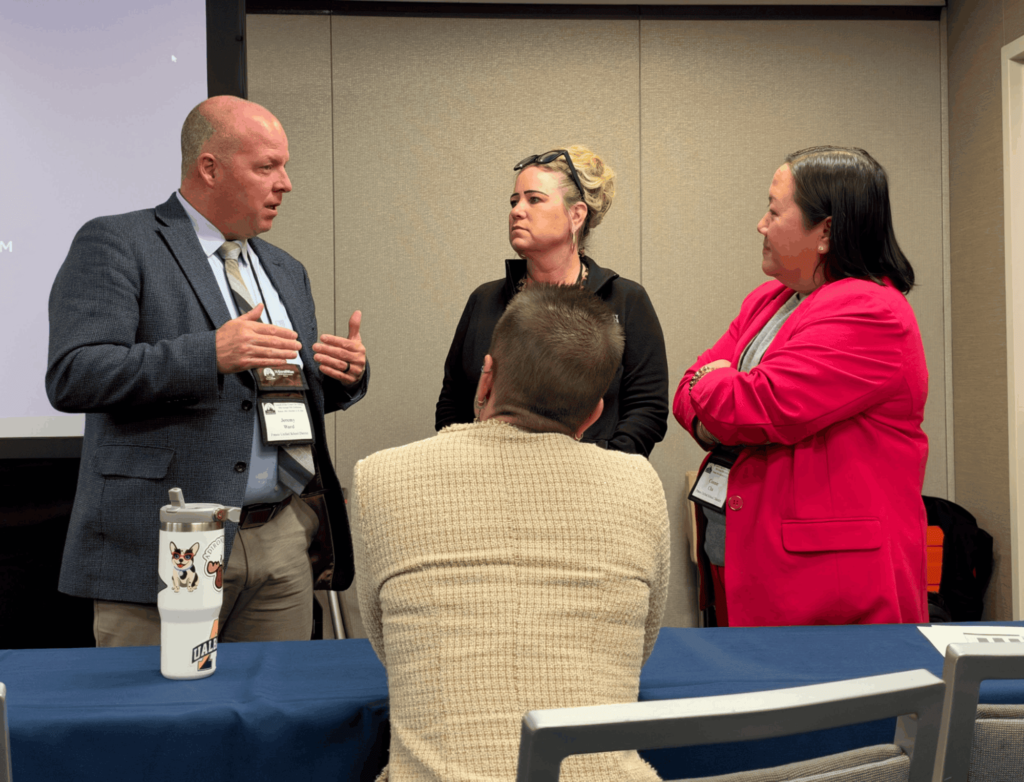
At Fresno Unified School District, the question began with what summer learning had traditionally offered. Programs centered largely on academic intervention in English and mathematics, while opportunities for enrichment and exploration were more limited. Jeremy Ward, Assistant Superintendent of College and Career Readiness, recalled how the pandemic brought longstanding inequities into sharper focus. He shared the experience of a local pastor who had only recently learned about recreational summer camps available to children in other communities, opportunities that had remained unfamiliar or inaccessible to many families in Fresno.
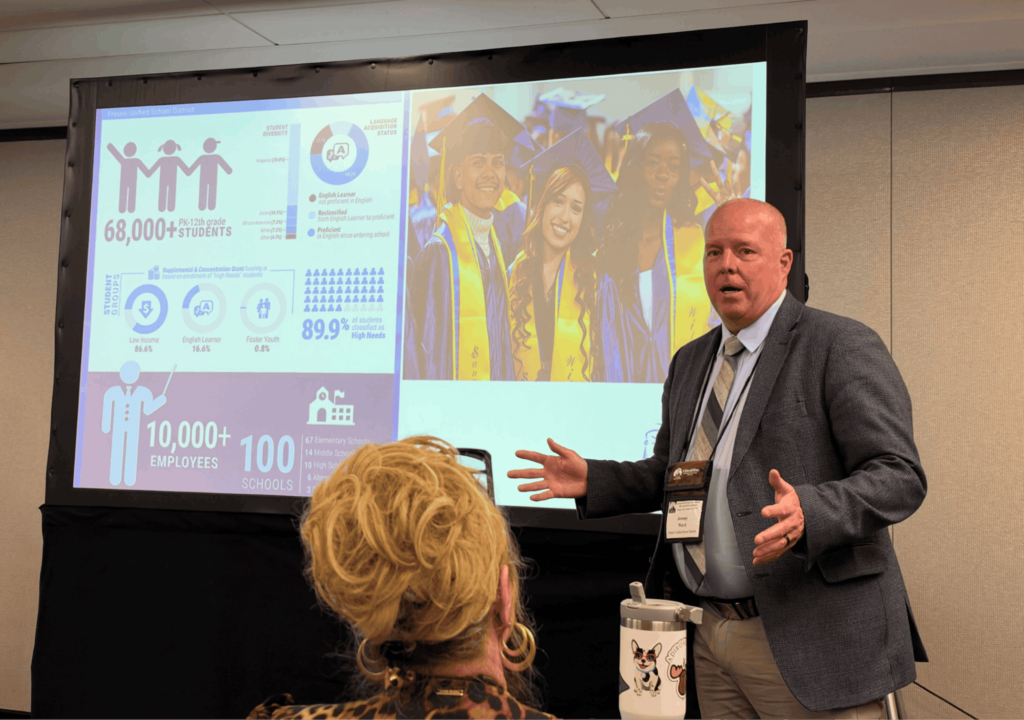
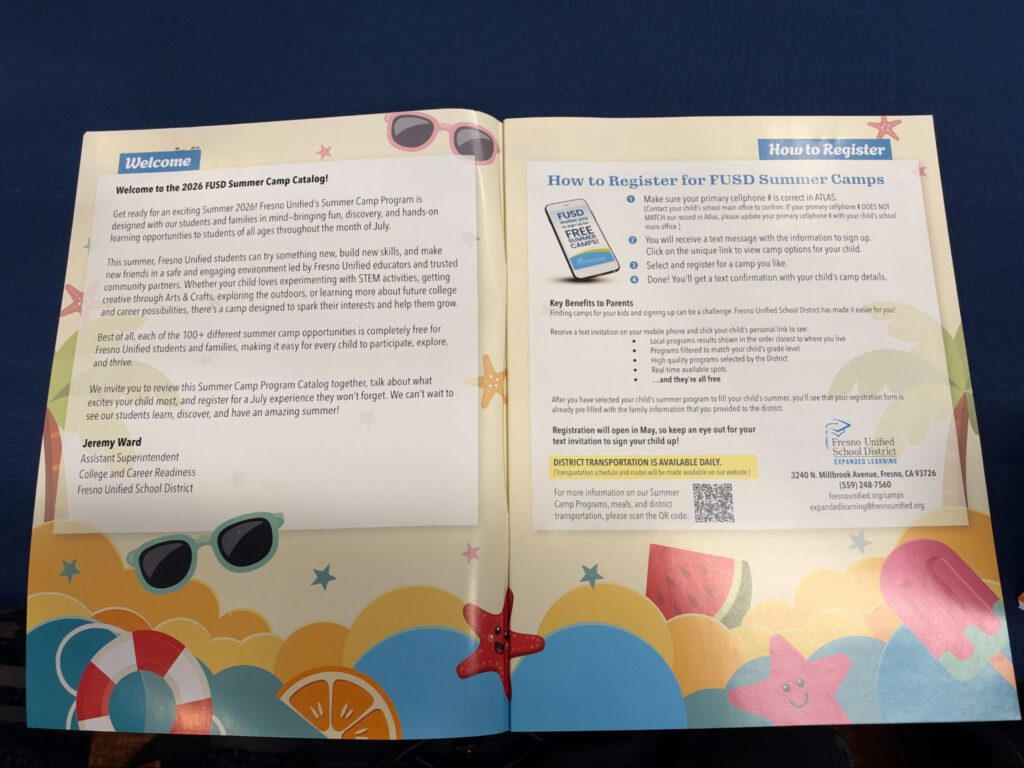
That contrast helped frame a broader ambition for the district’s summer programming. California’s Expanded Learning Opportunities Program (ELO-P) investment, together with district leadership and a growing network of community partners, helped Fresno expand beyond intervention to include academic support, acceleration, exploration, and enrichment. Its 2026 Summer Camps Catalog features more than 100 free opportunities for eligible students, spanning creative arts, sports, STEM, outdoor adventures, and college and career discovery. At one scuba camp, fourth- and fifth-grade students assembled a simulated space station underwater using PVC pipes, an example of the kinds of experiences now included in Fresno’s summer offerings.
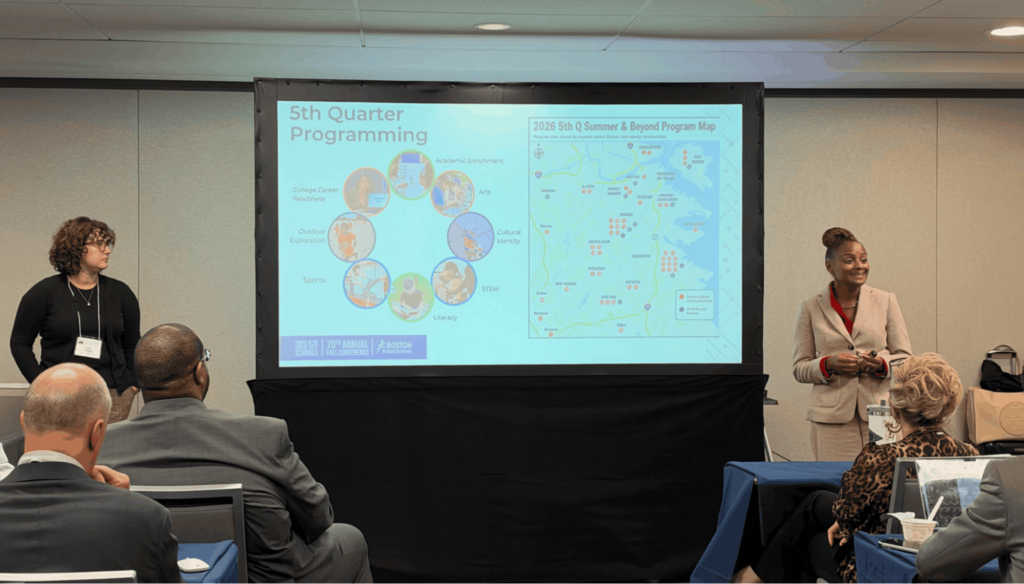
Boston Public Schools calls its broader summer learning initiative “5th Quarter Summer & Beyond,” reflecting the idea that learning continues beyond the traditional school year. Its Summer Learning Academies put that idea into practice by combining approximately three hours of academic instruction in the morning with three hours of enrichment in the afternoon. District educators and community organizations work together to provide opportunities ranging from sailing and martial arts to STEM and the arts, supported by curriculum resources, training, and professional development. Rather than separating academic learning from exploration, the model gives both a place within the summer day.
Making Participation Possible
The way a summer program is organized can also shape how students experience one another. At Baltimore City Public Schools, Laurie Lynn Sutton Platt, Executive Director of Special Education, and Dr. Lauren DiResta-Stasio, Director of Differentiated Learning, described an approach that places Extended School Year (ESY) services and general summer programming at shared locations. Students have opportunities to connect through common spaces, activities, performances, and art experiences, while staff, rosters, schedules, staffing ratios, and Individualized Education Program (IEP) services remain separate. Shared facilities such as cafeterias and gyms make these interactions possible without compromising the individualized services students need.
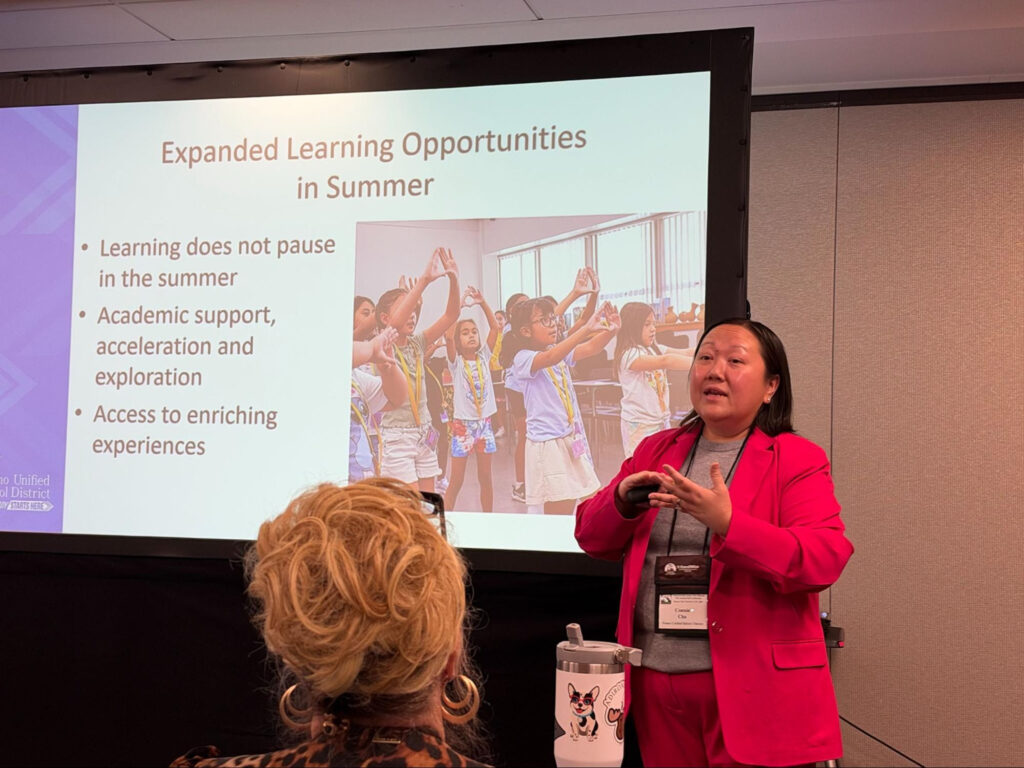
Fresno’s expanded selection of camps brings another aspect of participation into focus, particularly the steps families must navigate between discovering an opportunity and attending it. Connie Cha, Director of Expanded Learning, described coordinating with special education and human resources to arrange additional student support, working with Parent University to understand family needs, and distributing camp catalogs in English and other languages spoken by families. The district’s registration materials also describe personalized text-message links, grade-appropriate camp options, real-time availability, and daily district transportation. Alongside the breadth of available experiences, these efforts address the practical considerations that influence whether students and families can make use of them.
Looking Beyond Enrollment
Baltimore’s coordination extends beyond the shared summer campus to the wider network of organizations serving students. With schools, city agencies, and community partners offering summer programs, understanding how opportunities are distributed requires a view that reaches beyond any single provider. Through the Summer Funding Collaborative and Baltimore Data Hub, participating organizations work together to compare program offerings, locations, and available seats. By examining overlapping enrollments and gaps in access, they can better understand where opportunities exist and where additional needs may remain.
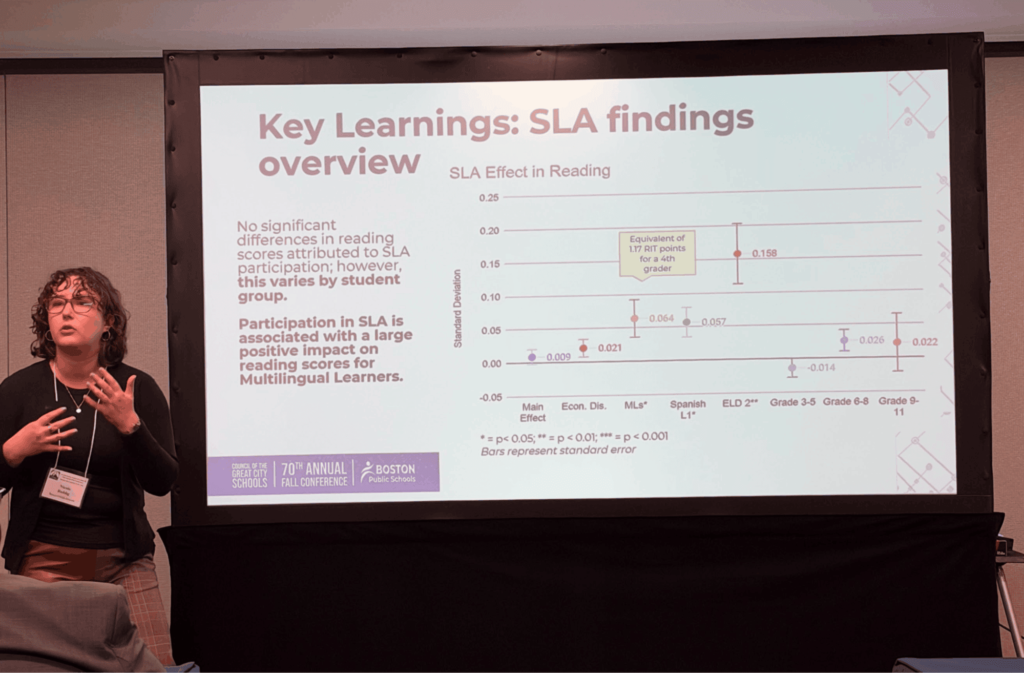
Knowing where students participate, however, does not fully explain what they gain from the experience. In Boston, Magaly Sanchez, Chief Family Advancement Officer; Nicole Reddig, Research and Partnerships Analyst; and Meg Caven, Director of Organizational Insight, discussed how evaluation can help districts examine summer learning outcomes and understand whom their programs serve. An evaluation using MAP Growth data from approximately 20,000 students in grades 3–11 reported meaningful gains in mathematics among summer participants overall. Reading results varied by student group. While the evaluation found no statistically significant overall difference in reading scores associated with Summer Learning Academy participation, it identified positive results for multilingual learners, particularly students at English Language Development Level 2. Boston also gathers feedback through student and family surveys and invites families to see projects their children complete during summer learning, adding perspectives beyond academic measures as the district considers future programming.
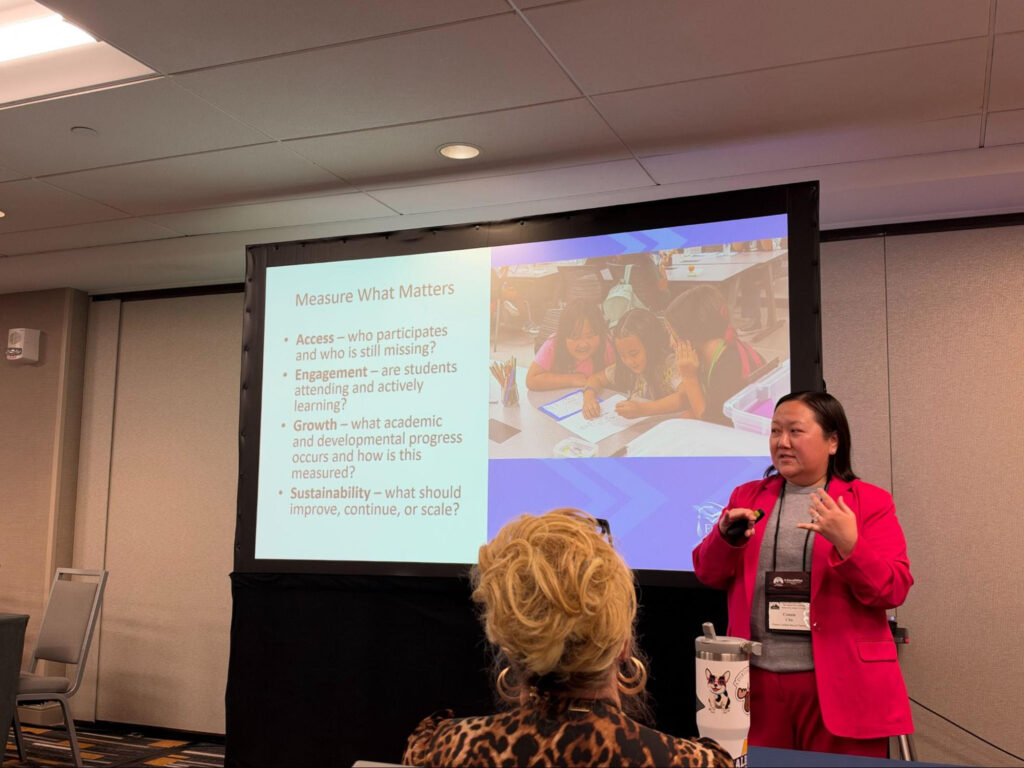
Even a clearer understanding of participating students leaves questions about those who are not attending. Fresno evaluates its broader summer work through four measures of access, engagement, growth, and sustainability. Within that work, Connie drew attention to Summer Academy, where approximately one in four district students participated in each of the previous three summers. That figure concerns Summer Academy specifically, rather than participation across Fresno’s full range of summer academic and enrichment programs. She continues asking why more students are not attending Summer Academy, an important question that remains open alongside the district’s broader expansion of summer opportunities.
From Opportunity to Experience
Even a district that broadens its summer offerings, coordinates individualized support, and studies student outcomes may know too little about those who do not participate. Enrollment records and academic results answer important questions, but they cannot explain every absence.
That is why the less visible decisions behind summer learning matter. A program’s location and design, the support it offers, and the practical steps families must navigate to attend all influence who participates and what students experience. Considering those decisions alongside enrollment patterns, feedback, and academic results gives districts a fuller view of what is working and what they have yet to understand.
Progress depends not only on creating opportunities and evaluating their results, but on understanding whom they have yet to reach and carrying that knowledge into the next summer.
Contact
Interested in exploring how 6crickets can support your district’s expanded learning operations?
 info@6crickets.com | [Schedule a conversation]
Yours in Education,
6crickets Team