
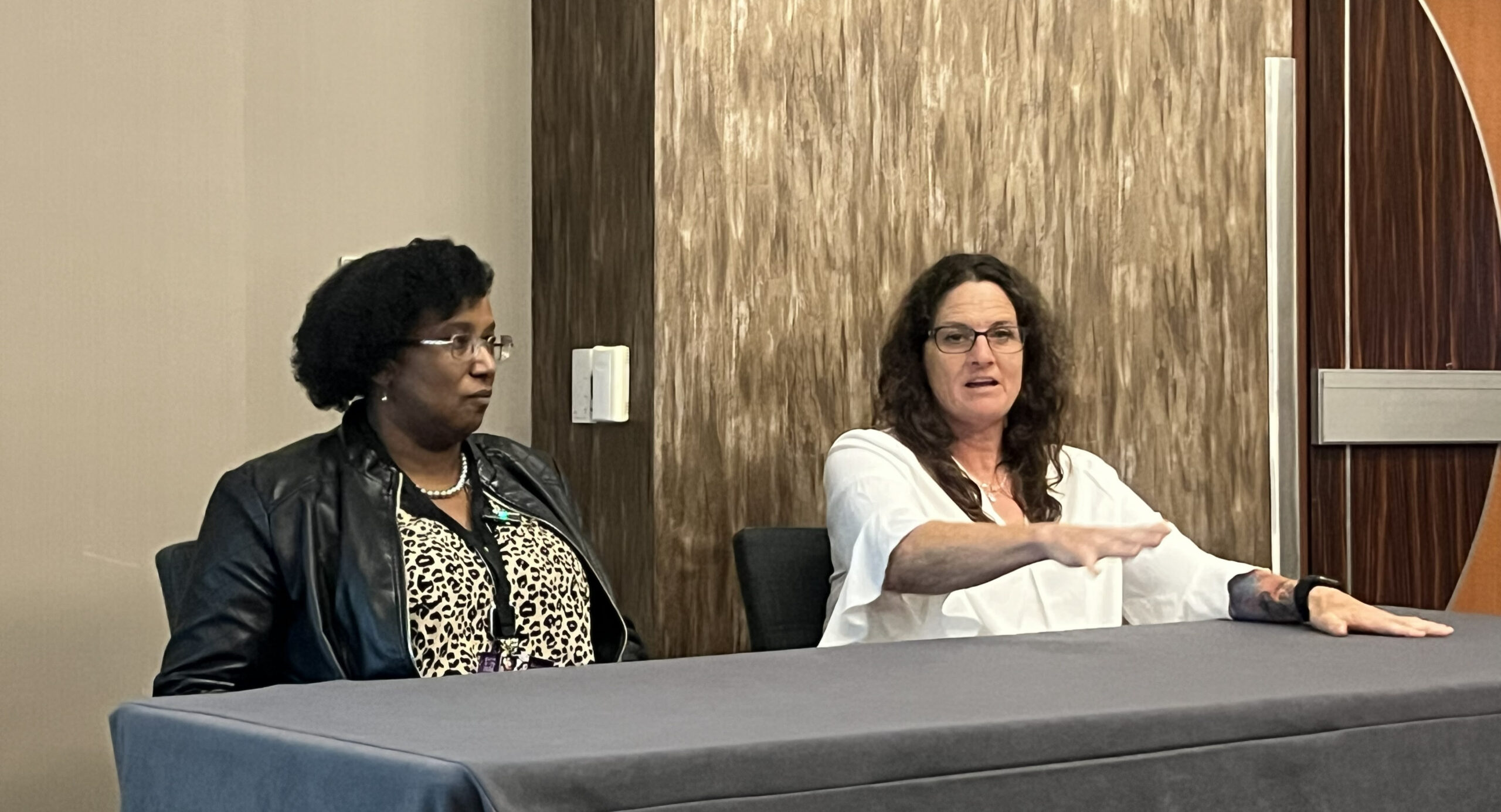
Expanded Learning Is the Missing Half of Public Education
At the 2026 CAAASA Conference, expanded learning leaders gathered for an honest conversation about what it takes to build, grow, and sustain programs that truly serve students and families.
The session featured Erie Robertson, Director of Expanded Learning at Lancaster School District; Jessica Stout, Program Specialist for Student Enrichment and Wellness at La Habra City School District; and Dr. Helen Wang, CEO and Cofounder of 6crickets.
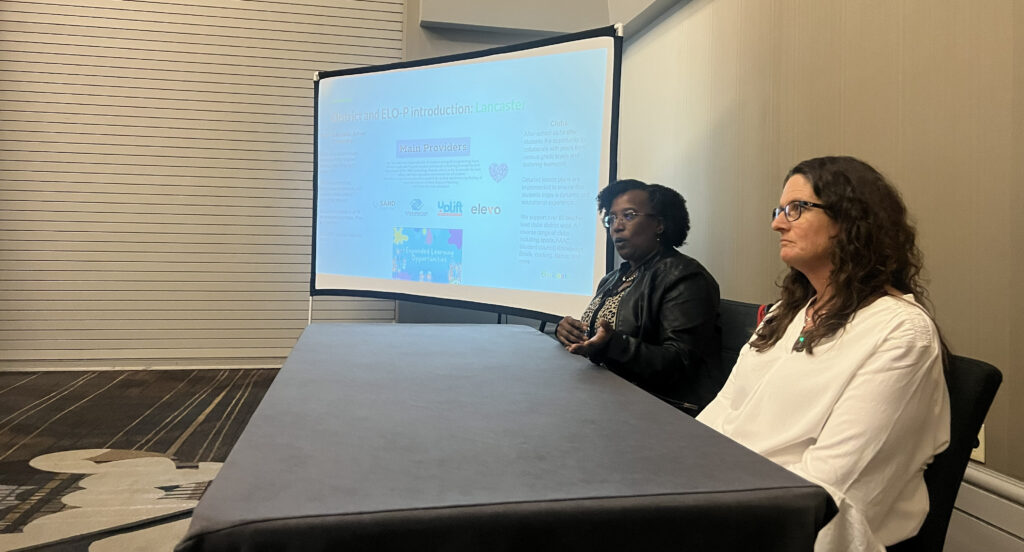
Right: Jessica Stout, Program Specialist for Student Enrichment and Wellness at La Habra City School District
Helen opened with a powerful reminder: students are in school for roughly 1,000 hours each year, while many parents work about 2,000 hours. That leaves a major gap when school is out but families are still working.
For years, that gap has looked very different depending on a family’s resources. In some communities, PTA-led enrichment programs, clubs, and local partnerships created vibrant opportunities after school. In others, students had far fewer options.
As Helen framed it, out-of-school time has long been “the missing half of public education.” California’s ELO-P investment is helping change that by giving districts the opportunity to build a more complete, equitable learning day — one that supports students beyond the traditional classroom and gives families meaningful options when school is out.
Start Small, Then Keep Improving
A major theme of the session was that ELO-P feels a lot like building a start-up. Districts are often creating something new, at scale, while still serving students every day.
Helen encouraged leaders to begin with a “minimal viable program”: start with something useful, learn from it, and keep improving. As she reminded the room, “It may not be perfect. Don’t shoot for perfection… get started.” The important thing is to evaluate, learn, and keep making it better.
That mindset showed up clearly in both Lancaster and La Habra. Erie described her team’s approach as, “let’s throw it on the wall and see what sticks.” That willingness to try, learn, and try again has helped Lancaster expand opportunities across its schools, from enrichment clubs and tutoring to district initiatives like Black Knowledge Bowl, Latino Knowledge Bowl, Asian Pacific Knowledge Bowl, and Battle of the Books.
Jessica echoed the same spirit of iteration. La Habra’s team has continued to refine how programs are managed, how families register, how partners are trained, and how school sites are supported. The work requires teams to build, evaluate, and, as Jessica put it, “pivot.”
Equity Requires Removing Barriers
Both districts made it clear that equity is not just about offering programs. It is about making sure students can actually access them.
At Lancaster, Erie described how her team thinks intentionally about transportation, meals, staffing, and waitlists. Lancaster serves 19 comprehensive elementary and middle school sites, so the scale of the work requires strong coordination. For districtwide non-school days, Lancaster provides transportation so students from across the district can participate. Students receive meals throughout the day, including a take-home supper, and the team works closely with nutrition services to support dietary needs.
For Erie, that access is part of a larger commitment. “When we support our students, we support our families,” she shared. “And when we support our families, we support our community.”
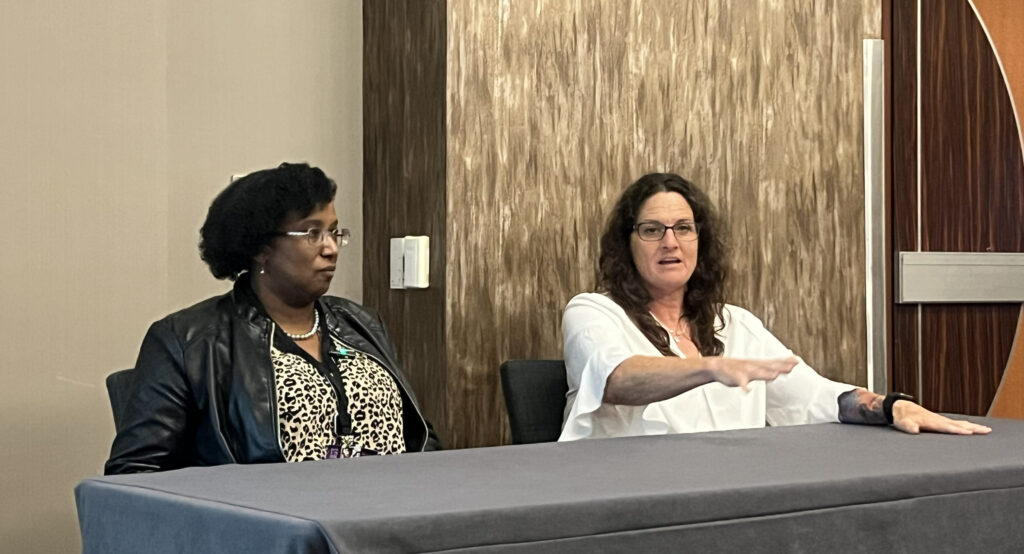
Right: Jessica Stout, Program Specialist for Student Enrichment and Wellness at La Habra City School District
La Habra has also refined its registration process to better prioritize unduplicated pupils. Jessica explained how her team uses 6crickets data to identify UPP students, hold spots, manage waitlists, and understand who is being served. At one school, 88% of UPP students were enrolled in a program that season, which she called a huge win.
Just as important, La Habra meets families where they are. Some families are ready to register online right away. Others need a flyer in a backpack, a phone call, help from the Boys and Girls Club, or direct support from the district team. Equitable access means using multiple communication channels so families are not left out simply because one method did not reach them.
Strong Partnerships Make Programs Possible
Another clear takeaway was the importance of partnership.
Lancaster works with several partners, including Boys and Girls Club of the Antelope Valley, local organizations, and enrichment providers. Erie described them not just as vendors, but as partners, because the work is shared. Programs do not only serve students during a few extra hours after school; they support families and strengthen the broader community.
La Habra partners closely with the Boys and Girls Club, which now provides site coordinators and key program infrastructure. Jessica explained that this transition required intentional relationship-building and professional development. Site coordinators needed support in understanding school systems, teacher expectations, student behavior, communication, and classroom management. Over time, that shared training helped bridge the gap between after-school operations and the expectations of an educational system.
Both leaders also emphasized the importance of setting expectations early. Jessica described a vendor boot camp where every vendor learns district expectations, communication protocols, behavior expectations, and what it means to work on school campuses. Erie also emphasized mandatory training for staff and partners so everyone is aligned around student support, social-emotional needs, and program expectations.
Systems Create Space for Joy
The work is complex. Expanded learning teams manage registration, attendance, partners, staffing, behavior expectations, facilities, meals, transportation, reporting, and family communication. As Erie put it plainly, “ELO-P is a beast.”
But when systems work, leaders get time back to focus on students.
Erie explained that reports her team once had to complete manually can now be pulled quickly, giving them more time to develop new opportunities like music lessons, Minecraft education, and districtwide enrichment. Instead of spending hours chasing data, the team can use information to fill seats, monitor enrollment, support partners, and improve access across sites.
Jessica also described the value of clear structures, including vendor expectations, behavior plans, and family conduct agreements. These tools were created because real challenges came up — and the team responded by making expectations clearer for students, families, school staff, and partners.
And at the heart of all that structure is student joy. Jessica said the purpose becomes clear when she sees students walk into ukulele, martial arts, cooking, jewelry making, or another class they may never have accessed otherwise. “That’s what fills my bucket,” she shared.
Listening, Learning, and Leading With Purpose
Student and family voice also came up as a key part of continuous improvement.
Lancaster uses surveys and family ambassadors to gather feedback from students and families. Erie explained that family ambassadors may go around with a tablet to ask students simple questions directly, making the process accessible and easy to complete.
Jessica shared that La Habra has used family surveys through 6crickets and wants to continue building stronger systems for hearing directly from students. Her goal is simple: ask students what they want more of, what they enjoy, and what would make the program stronger.
This feedback loop matters because expanded learning is not static. The best programs keep listening, learning, and adapting.
The Big Takeaway
Expanded learning is not just an add-on. It is a historic opportunity to build something more equitable, engaging, and responsive for students.
The leaders at CAAASA reminded us that strong programs are built through courage, iteration, partnership, and deep care. Start somewhere. Listen closely. Use data. Remove barriers. Train the people closest to students. Keep improving.
Erie’s advice was to keep asking “what if?” What if we try a new enrichment opportunity? What if we take students on a meaningful field trip? What if we build a program that gives students access to experiences they might not otherwise have?
Jessica’s advice was just as clear: “Remember what your purpose is, and let that drive you.” The work is hard, but the smiles, confidence, and opportunities created for students make it worth doing well.
Contact
Interested in exploring how 6crickets can support equitable access, student choice, and scalable expanded learning operations? Schedule a conversation!
 info@6crickets.com | [Schedule a conversation]
Yours in Education,
6crickets Team