Expanded Learning Leaders Are Building More Than Programs
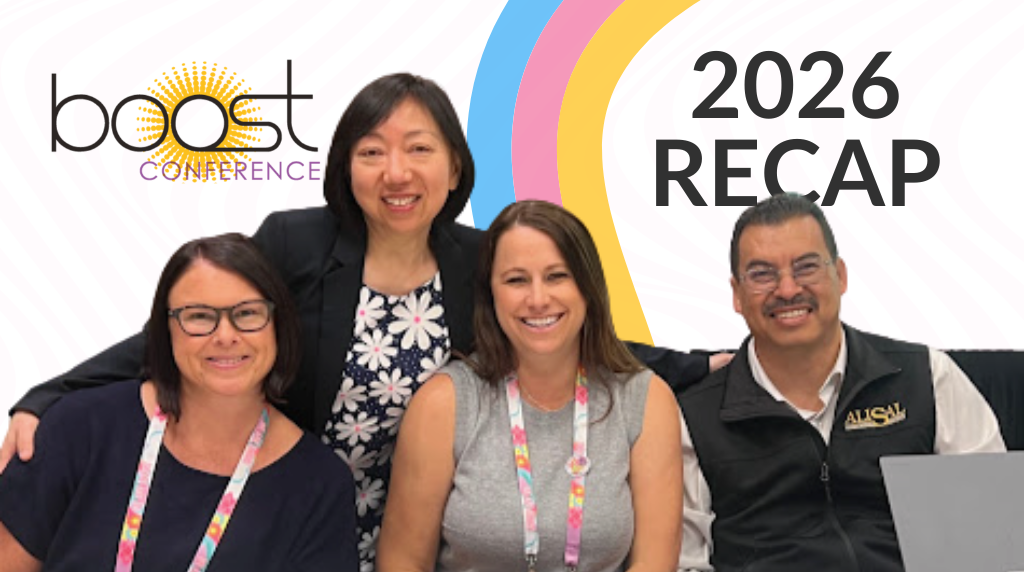
At BOOST 2026, expanded learning leaders gathered for an honest conversation about what it takes to build programs that truly serve students and families.
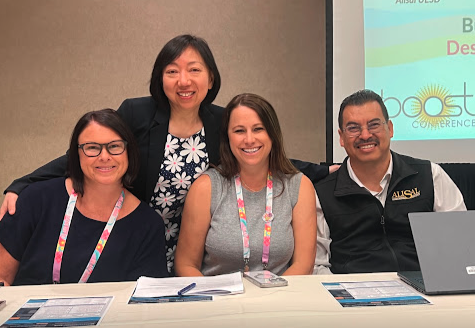
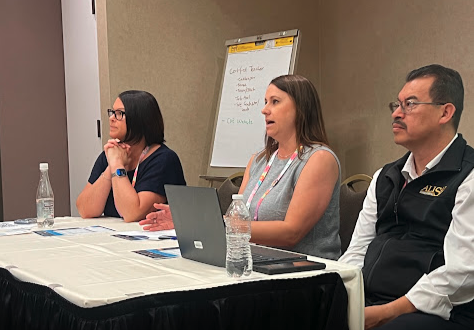
The session featured Kirsten Knapp, Director of Expanded Learning at Desert Sands USD; Cheri Gann, Administrator of Expanded Learning at Mount Diablo USD; Jose Fausto, Director of the Expanded Learning Program at Alisal USD; and Dr. Helen Wang, CEO and Cofounder of 6crickets.
Helen opened with a framing that raised the stakes immediately. Parents work about 2,000 hours each year, while students are in school for only about 1,000. That leaves a major gap when school is out but families are still working. And with ELO-P requiring districts to support more than 850 hours of learning and care, Helen said districts are “literally building the school outside the school.”
That reality came through clearly throughout the session. This was not a conversation about maintaining business as usual. It was a conversation about building systems, removing barriers, listening to students, and creating something better while serving kids every day.
Start Before It Feels Perfect
One of the clearest themes from the session was that expanded learning still requires a start-up mindset.
Helen described ELO-P as “truly like building a startup.” For many districts, this is not simply about adding a few clubs or extending an existing model. It means building something new at scale while solving operational challenges in real time.
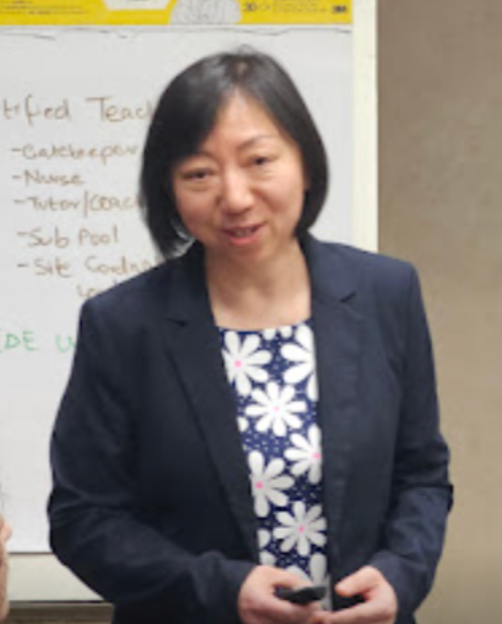
That is why Helen emphasized a mindset many leaders likely needed to hear: “Don’t shoot for perfection, but get started.”
That idea resonated because none of the panellists described a perfectly finished model. They described programs that are growing through iteration. Build something useful. Learn from what works. Adjust what does not. Keep improving.
The message was not perfection. It was momentum.
Student Interest Has to Lead
Another strong through-line in the conversation was that expanded learning works best when leaders build around what students actually want.
Jose captured that idea simply: “Pay attention to what they want.”
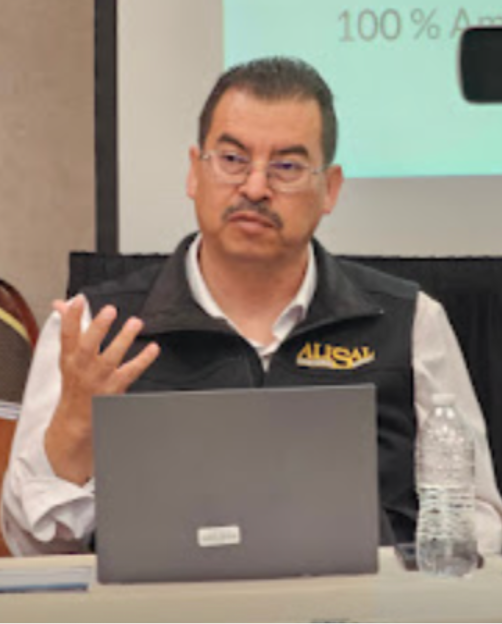
At Alisal, that has meant building a wide range of opportunities through both daily programming and rotating enrichment partners, including performing arts, cheer, ceramics, counseling support, STEM, mariachi, and Saturday learning experiences. Jose described a constant process of listening, adjusting, and innovating so programs stay relevant to students rather than becoming routine for adults.
And the payoff is visible. As he shared, “it’s growing, the kids are having fun,” and the work has been “helping with attendance as well.”
Cheri reinforced that same principle from Mount Diablo. Student voice matters not just at the start, but throughout the year. “We really listen,” she said, and when students see that their interests turn into real opportunities, “that’s what keeps them coming back.”
That is what choice-driven expanded learning looks like in practice. Not just a menu of activities, but a structure that takes student agency seriously.
Local Ownership Makes Programs Stronger
The session also highlighted that strong expanded learning cannot be built entirely from the center. School communities differ. Student interests differ. Family needs differ.
Kirsten described a model at Desert Sands that gives sites real ownership to shape their own programming. Rather than assuming one centralized design will meet every need, schools receive budget and flexibility to build around their local communities. As she explained, “I allocate a budget to every school where they get to build their programming.”
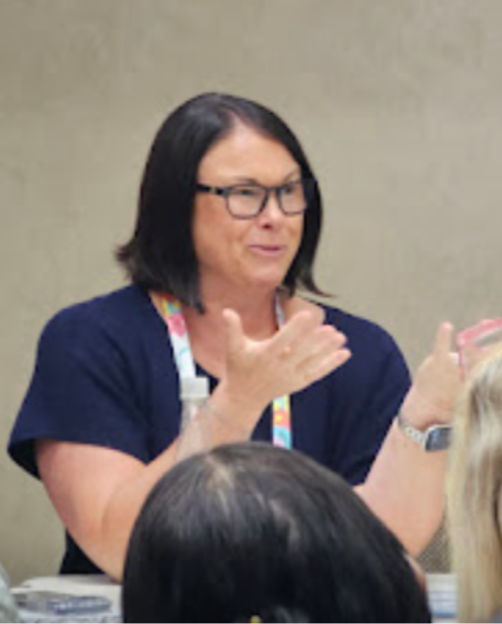
That approach stood out because it reflects a deeper understanding of quality. Strong programs are not created by forcing every school into the same mold. They are created by giving schools enough structure to stay aligned and enough flexibility to be responsive.
Kirsten’s comments also reflected something many expanded learning leaders know well: local responsiveness is not a bonus. It is how programs become meaningful.
Equity Means Removing the Real Barriers
The panel also made clear that equity is not just about offering enrichment. It is about making sure students can truly access it.
That means solving for transportation, meals, staffing, inclusion, site coordination, family communication, supervision, and space. These are not side issues. They are central to whether expanded learning is actually equitable.
Jose spoke directly to the importance of meaningful inclusion for students with disabilities. “The state says everybody needs to participate,” he said, underscoring that expanded learning cannot be designed only for the students who are easiest to serve.
That same commitment showed up in Kirsten’s discussion of staffing and ratios, especially as districts try to serve more TK students and students with additional needs while continuing to grow. And at Mount Diablo, Cheri described the complexity of supporting thousands of students each day across many campuses, providers, and program structures.
When leaders remove those barriers well, families feel the difference. One family quote shared during the session said it beautifully: “This program is priceless. My students get experiences they wouldn’t normally get, and I have peace of mind knowing they have a safe place to go while they wait for me to get off work.”
That is expanded learning at its best. Opportunity for students. Stability for families. Real access, not just good intentions.
Strong Systems Create Space for Better Programs
Another major takeaway from BOOST was that innovation depends on infrastructure.
As programs grow, manual processes quickly become a burden. Leaders need visibility into enrollment, attendance, and what students are actually choosing, not only for compliance, but for stronger decisions and faster improvement.
Cheri shared that having the right system in place “has been a game changer” for workload, reporting, and accuracy.
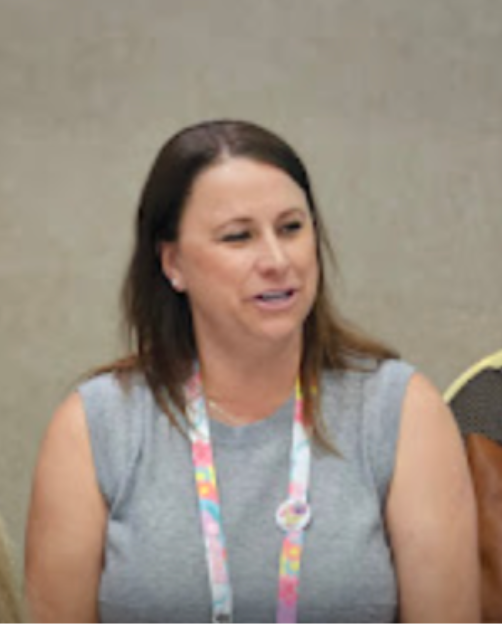
That matters because operational burden is one of the biggest challenges facing expanded learning leaders. Time spent piecing together information manually is time taken away from students, staff support, and program design.
Helen reinforced that broader point during the session. If districts want to move quickly through design, implementation, evaluation, and improvement, they need systems that make data visible as part of the work itself.
Strong systems are not separate from strong programs. They are what make strong programs sustainable.
The Big Takeaway
The leaders at BOOST reminded us that expanded learning is not just an operational challenge. It is a historic opportunity to build something more responsive, more equitable, and more student-centered.
Helen offered the mindset: “Don’t shoot for perfection, but get started.”
Kirsten showed what that looks like in practice through a model that gives schools real ownership to shape programs around their communities.
Cheri reminded us that listening closely to students is what keeps programs relevant and engaging: “We really listen.”
And Jose gave perhaps the clearest compass for the work: “Pay attention to what they want.”
That combination of iteration, local responsiveness, and student voice is what helps expanded learning grow stronger.
Contact
Interested in exploring how 6crickets can support equitable access, student choice, and scalable expanded learning operations? Schedule a conversation!
 info@6crickets.com | [Schedule a conversation]
Yours in Education,
6crickets Team